
Cryptocurrency Fraud & Recovery
Representation for victims of investment scams, pig-butchering schemes, account takeovers, and other digital-asset theft.
Learn more
Cryptocurrency fraud rarely ends with identifying a wallet. Assets may pass through centralized exchanges, internal ledgers, swaps, bridges, intermediaries, payment rails, foreign platforms, or government seizures. The legal work begins where the blockchain alone stops.
A.M. Barbara, P.A. combines legal process with an understanding of on-chain evidence to help clients determine what can be proven, who can be contacted, which institutions may hold relevant information or assets, and what procedural path offers a realistic chance of recovery.
Representation for victims of investment scams, pig-butchering schemes, account takeovers, and other digital-asset theft.
Learn more
Attorney-directed forensic analysis conducted in-house, including transaction reconstruction, address attribution, evidentiary review, and legal interpretation of tracing results.
Learn more
Claims strategy when stolen or fraud-linked cryptocurrency has been seized by the government or enters a criminal or civil forfeiture process.
Learn more
Learn more about Federal Forfeiture, Restitution & Remission
Frozen accounts, wrongful liquidations, compliance holds, and withheld funds at centralized exchanges and custodians.
Learn more
Litigation over stolen or disputed crypto, including ownership, fraud, emergency relief, and enforcement.
Learn more
Advisory matters involving intellectual property, technology agreements, and legal issues affecting blockchain and digital-asset businesses.
Learn more
Selected Matters
Representative federal matters handled by Agustin M. Barbara, involving cryptocurrency fraud, asset recovery, forfeiture, and blockchain-based legal procedure.
NO. 25-CV-01907 (D.D.C.)
Verified claims filed for more than one hundred scam victims in a federal forfeiture proceeding involving approximately $225 million in USDT and more than $70 million in combined client losses.
NO. 22-CV-22907 (S.D. Fla.)
The first federal cases to authorize service of process on anonymous foreign cryptocurrency defendants through NFT transfers to their blockchain wallets, ultimately resulting in a $957,281.50 judgment.
NO. 23-CV-04400 (N.D. Cal.)
Federal cryptocurrency forfeiture matter involving assets traced to an investment-fraud scheme. A prior default judgment was successfully vacated, resulting in the recovery of seized assets through a consent judgment.
NO. 23-CV-08774 (C.D. Cal.)
Represented a victim of a sophisticated investment-platform scheme that involved both wire transfers and cryptocurrency, in a matter that concluded with a consent judgment returning $1,260,874.44 in seized assets.
NO. 25-CV-00134 (D.N.M.)
Federal forfeiture matter involving approximately $2 million in U.S. currency and digital assets seized across Coinbase, Bank of America, and Fidelity accounts. Verified claims were asserted, resulting in a consent judgment directing the return of all seized assets to the claimants.
NO. 22-CV-00981 (C.D. Cal.)
An early federal cryptocurrency forfeiture matter arising from a social-engineering and exchange-impersonation scheme. The matter concluded with a consent judgment directing all 47,839.20 USDT to be returned to the claimant.
Prior results do not guarantee or predict a similar outcome in any future matter.
Each case depends on its own facts.
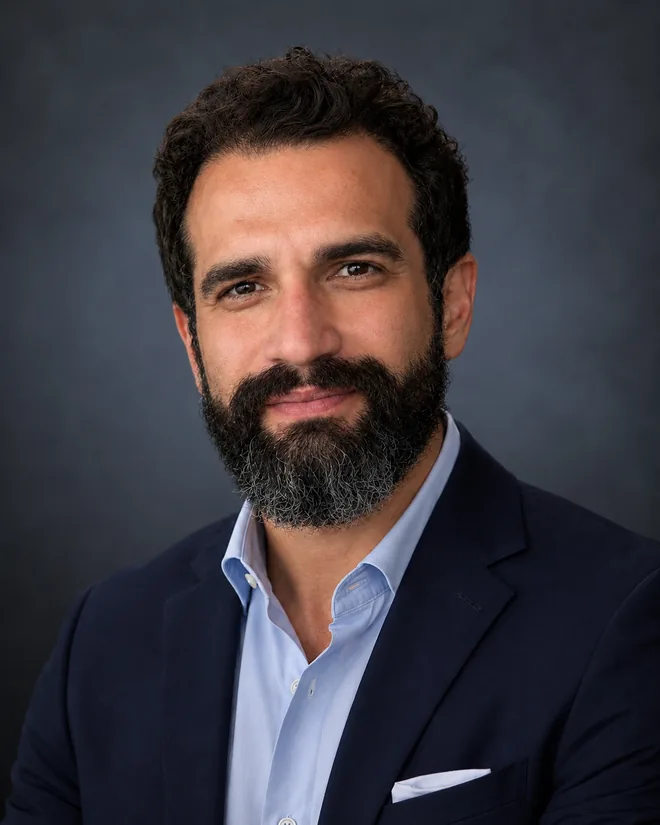
Managing Attorney
Agustin focuses on cryptocurrency fraud, digital-asset recovery, blockchain investigations, and federal forfeiture and remission. A registered patent attorney with a background in engineering and scientific research, his work includes landmark federal cryptocurrency litigation involving NFT-based service of process and representation in major digital-asset forfeiture proceedings.
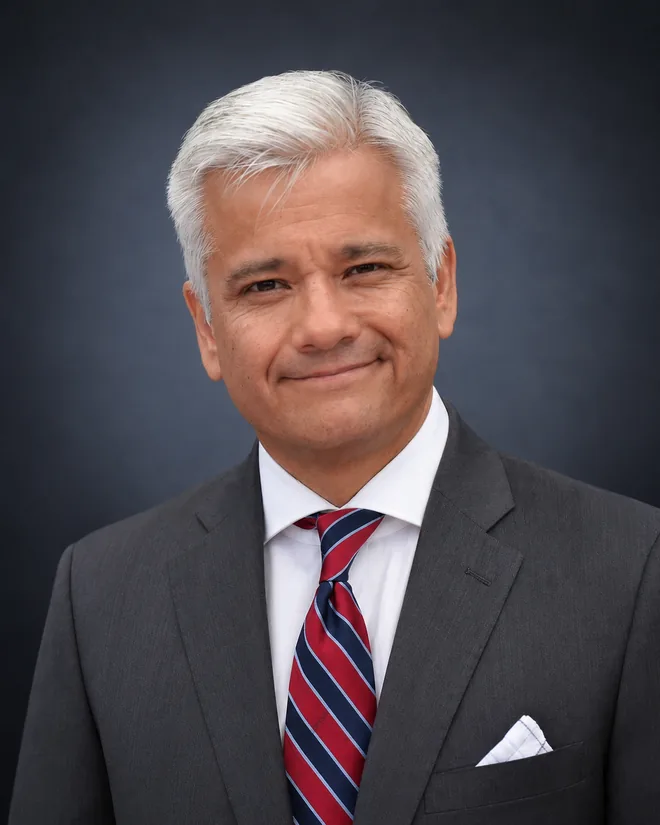
Of Counsel
Fernando is an experienced U.S. and international litigator who handles complex cryptocurrency and digital-asset disputes, intellectual property matters, and cross-border commercial litigation. Board Certified in Intellectual Property Law by The Florida Bar, he represents clients in federal and state courts and before U.S. and international arbitral tribunals. He is bilingual in English and Spanish.
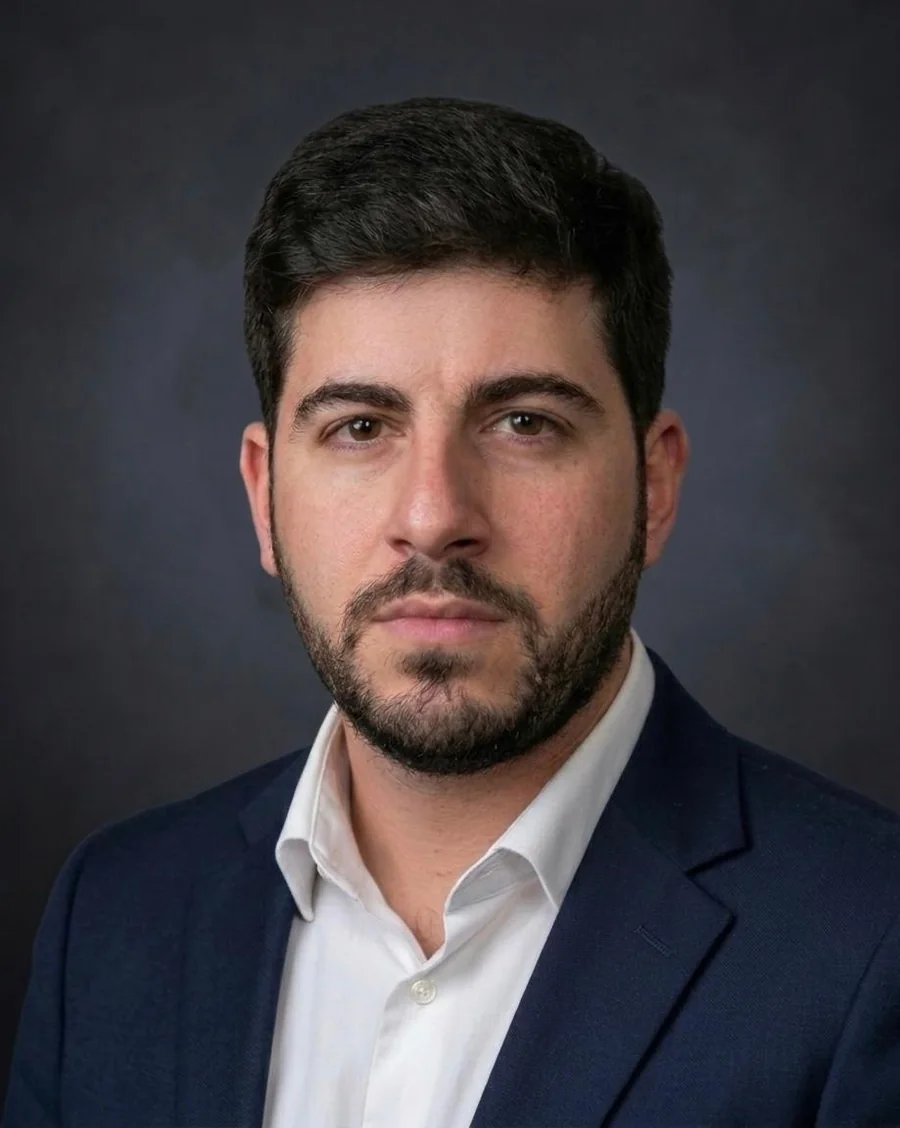
Denis leads blockchain tracing and forensic investigations involving cryptocurrency fraud, asset recovery, money laundering, and complex digital-asset transactions. As a former cybercrime prosecutor in Argentina, he led the country’s first cryptocurrency seizure during a judicial search warrant and has trained more than 700 investigators, prosecutors, and judicial professionals internationally.
Frequently Asked Questions
Sometimes. Recovery depends on whether the assets can be traced, where they ultimately went, how quickly action is taken, and what legal remedies are available. No responsible lawyer can guarantee a recovery. The first step is determining whether the facts present a realistic path worth pursuing.
It is best to act as early as possible. Digital assets move quickly and records can disappear, so prompt action helps preserve evidence and keep funds within reach of legal process. Older matters are not automatically hopeless, but delay can narrow the available options.
Possibly. When digital assets are seized in a federal civil or criminal forfeiture proceeding, victims and other interested parties may have rights through the claims process or a petition for remission. The key issues often include tracing the claimant’s loss to the seized property and satisfying the applicable legal requirements. A government seizure can sometimes create a meaningful path to recovery that did not previously exist.
A law firm provides legal representation. That can include investigating the movement of assets, communicating with exchanges and government agencies, issuing or pursuing legal process, asserting claims in forfeiture proceedings, seeking court relief, and litigating when appropriate.
Many recovery companies are not law firms and cannot provide those services. Be particularly cautious of anyone who guarantees recovery or demands additional payments to unlock, release, or retrieve supposedly recovered funds.
Fees depend on the facts, scope of work, and legal strategy involved. Different matters may call for different fee structures. Any proposed engagement, scope of representation, and fee arrangement is explained before representation begins so that the client can make an informed decision.
The review focuses on what happened, the available transaction and account evidence, whether the assets appear traceable, and what realistic legal options may exist. If the facts do not appear to support a viable path forward, that assessment is communicated before any engagement is proposed.